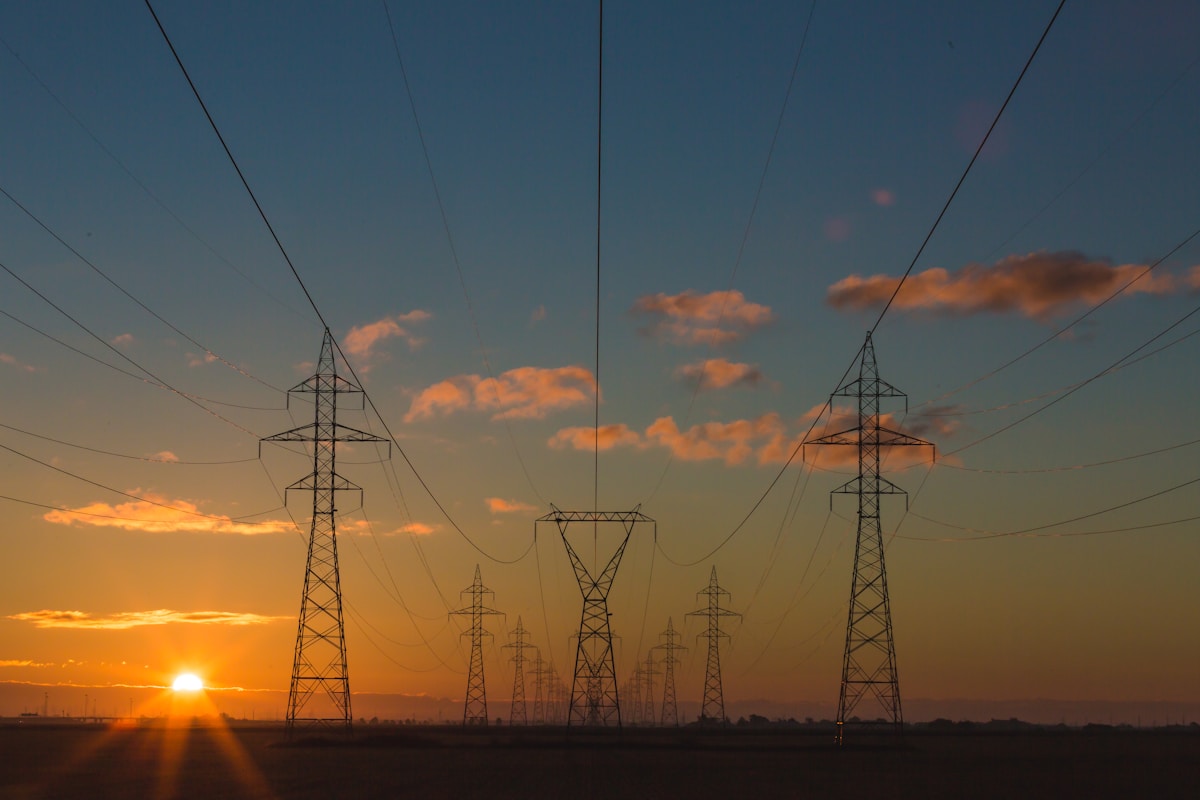
We all know the dirty secret of modern AI: it’s an absolute power hog. A large AI data center can consume as much electricity as 80,000 homes. The energy crunch is real, and it’s fueling massive investments in new power sources, like the nuclear reactors being funded by VCs.
But Google just floated an idea that is genuinely sci-fi: hosting future AI compute on constellations of solar-powered satellites. They’re calling it Project Suncatcher, and it’s a moonshot to solve the energy crisis by getting off-planet.
The Orbit Advantage
The core idea of Project Suncatcher is simple physics. A solar panel in the right orbit receives sunlight almost continuously, and its energy production can be up to eight times more productive than one stuck on the ground.
Terrestrial data centers face huge problems with land acquisition, water use for cooling, and strain on local power grids. Moving the compute to space would reduce that strain while providing a nearly perpetual, clean energy source for AI workloads.
I remember talking about this concept back in college, and it was pure fantasy. Now, Google is treating it as a research "moonshot" to scale energy-intensive AI workloads. It makes sense that they, with their huge investments in Texas data centers (around $40 billion) and their need for massive, continuous power for Gemini 3 and other models, would be looking for a radical alternative.
A New Layer of Infrastructure War
This idea isn't just about being green; it’s about future infrastructure dominance. We are already in a battle for control over chips, data centers, and cloud platforms. Project Suncatcher suggests a new strategic resource: orbital compute capacity.
If Google can successfully establish the first scalable, orbital AI compute platform, they bypass the entire terrestrial data center race that Microsoft, Amazon, and others are currently locked into. It's the ultimate vertical integration: they control the models, the custom chips (TPUs), and the power source.
The State of AI Compute
The industry's thirst for compute is insatiable.
- Anthropic is committing $30 billion to Microsoft Azure just to secure GPU capacity.
- Microsoft is investing $10 billion in a new AI data hub in Portugal.
- Google itself is investing billions in German infrastructure.
Project Suncatcher is a recognition that the current terrestrial model of build-bigger-data-centers might eventually hit a physical wall of power supply and land constraints. It’s a long-shot hedge against the inevitable infrastructure crunch.
My Take
While this is still in the research phase, I genuinely love the audacity of Project Suncatcher. It’s a reminder that the biggest problems in AI—like energy and compute scale—require "moonshot" thinking.
Will we be training the next frontier model in orbit? Probably not next year, and the logistical challenges of deploying and maintaining satellite data centers are astronomical (pun intended). But the fact that a company like Google is dedicating research capital to this idea signals that the AI energy crisis is far more serious than the industry lets on. The final frontier of AI development might not be in Silicon Valley or on a cloud server in Virginia, but 500 kilometers above the Earth.